

Strong Bones, Strong Life: How MoveMed Physiotherapy Helps Protect Bone Health
Written by Erica Warrellow, Lead Client Care Coordinator & Bea Francisco, Physiotherapist & Co-Founder
November is Osteoporosis Awareness Month!
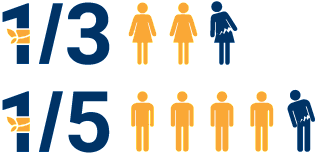
Did you know?
1 in 3 women and 1 in 5 men over 50 will experience an osteoporotic fracture. (1)
Osteoporosis is a condition where bones lose density and strength, making them more likely to break, even from minor falls or bumps. It’s often called the “silent disease” because bone loss happens gradually and without pain - until a fracture occurs. Common fracture sites include the spine, hips, and wrists. (1)
In Canada, over 2.3 million people live with osteoporosis, and about 80 % of them are women (1). Women experience greater bone loss than men, particularly around menopause, when the hormone estrogen - which helps protect bone - declines sharply.
While it’s most common in post-menopausal women, men are affected too: one in five men over 50 will experience an osteoporotic fracture in their lifetime. These injuries can significantly impact mobility, independence, and overall quality of life.
The good news? There’s a lot that can be done to protect your bone health-and exercise is a key part of that plan.
Movement Is Medicine - Why Exercise Matters for Bone Health
Exercise stimulates bone growth
Bones are living tissue. They respond to mechanical stress by becoming stronger and denser. Weight-bearing and resistance exercises apply forces that stimulate bone remodeling, helping to maintain or increase bone mineral density (BMD).
Exercise reduces fracture risk - not only by affecting bone
Fracture risk is influenced by more than bone density. Exercise improves muscle strength, balance, and coordination, reducing falls - the primary cause of osteoporotic fractures.
At MoveMed Physiotherapy, we believe movement is medicine. With expert guidance and the right type of exercise, it’s possible to reduce your fracture risk, improve balance, and maintain bone strength - at every stage of life.
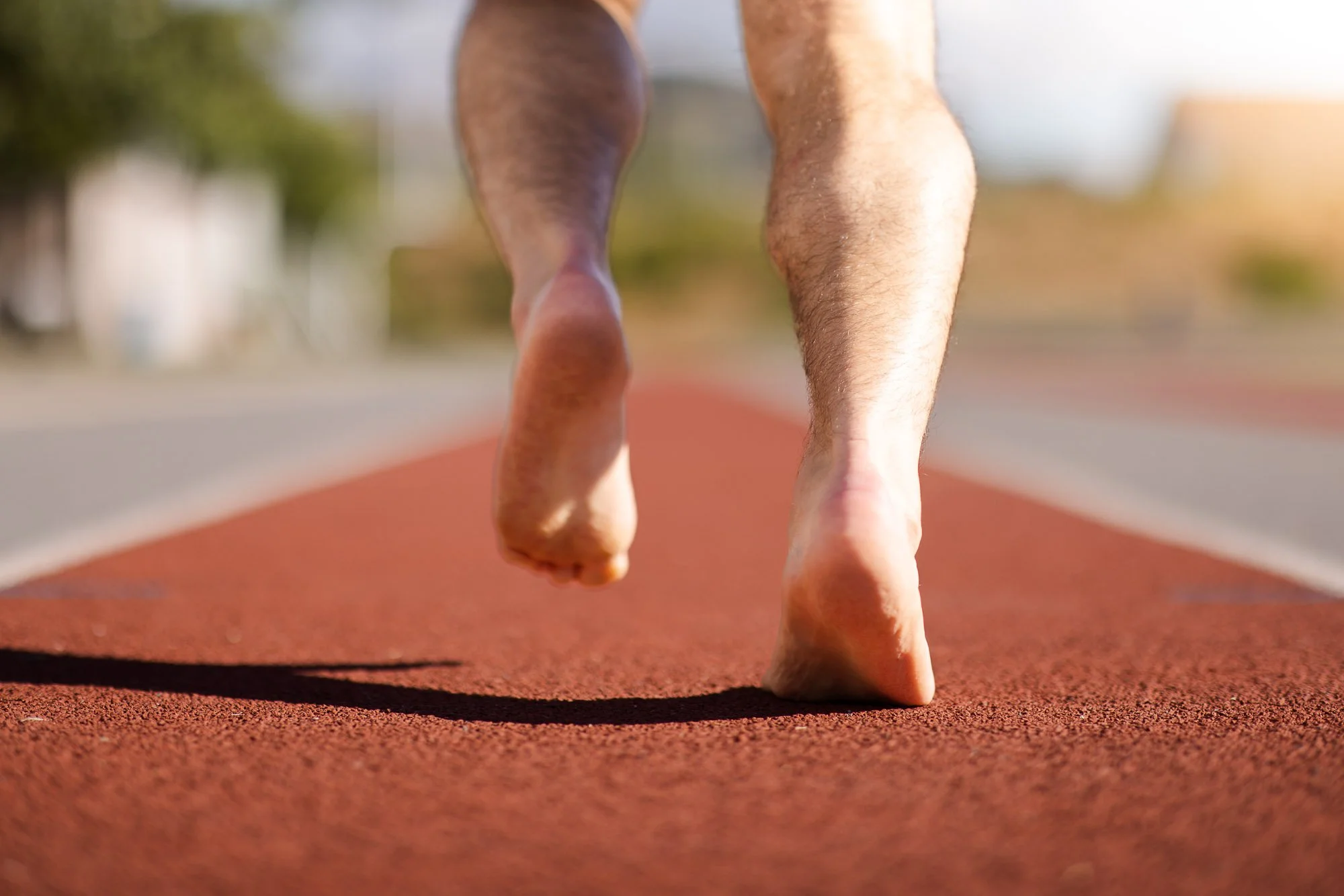
So… Is running enough?
Running is a valuable form of weight-bearing exercise, and it does help strengthen bones, especially in the hips and spine, where impact forces stimulate bone cells to rebuild.
However, running on its own isn’t enough to fully prevent osteoporosis.
Impact is important, but bones respond best to a variety forces, not just repetitive loading in a single direction.
Running mainly stresses the lower body and does not address areas like the wrists, upper spine, or shoulders.
It also doesn’t provide the muscle-building stimulus needed to support long-term bone density. (2)
Runners should highly consider adding strength training to their routine to optimize bone health!
Science-Backed Advice for Osteoporosis (3)
Impact activities like running or jumping
Resistance training 2-3 times per week to load the bones from multiple angles
Balance and core work to lower fall risk
Adequate nutrition, including protein, calcium, and vitamin D
Physiotherapy for Osteoporosis Prevention and Management - Education, Empowerment, and Safe Exercise
Your bones are the framework for every stride, lift, and jump you take. Whether you have a diagnosis of osteoporosis, or are wanting to make sure you have strong bones as you age, it’s never too early or too late to get started.
Let’s build strong bones for life, together. Our team of Kelowna physiotherapists are happy to help.
Movement is Medicine.



References
https://osteoporosis.ca/
Warden SJ, Edwards WB, Willy RW. Preventing Bone Stress Injuries in Runners with Optimal Workload. Curr Osteoporos Rep. 2021 Jun;19(3):298-307. doi: 10.1007/s11914-021-00666-y. Epub 2021 Feb 26. PMID: 33635519; PMCID: PMC8316280
Morin SN, Feldman S, Funnell L, et al. Clinical practice guideline for management of osteoporosis and fracture prevention in Canada: 2023 update. CMAJ. 2023;195(39):E1333-E1348. doi:10.1503/cmaj.221647