
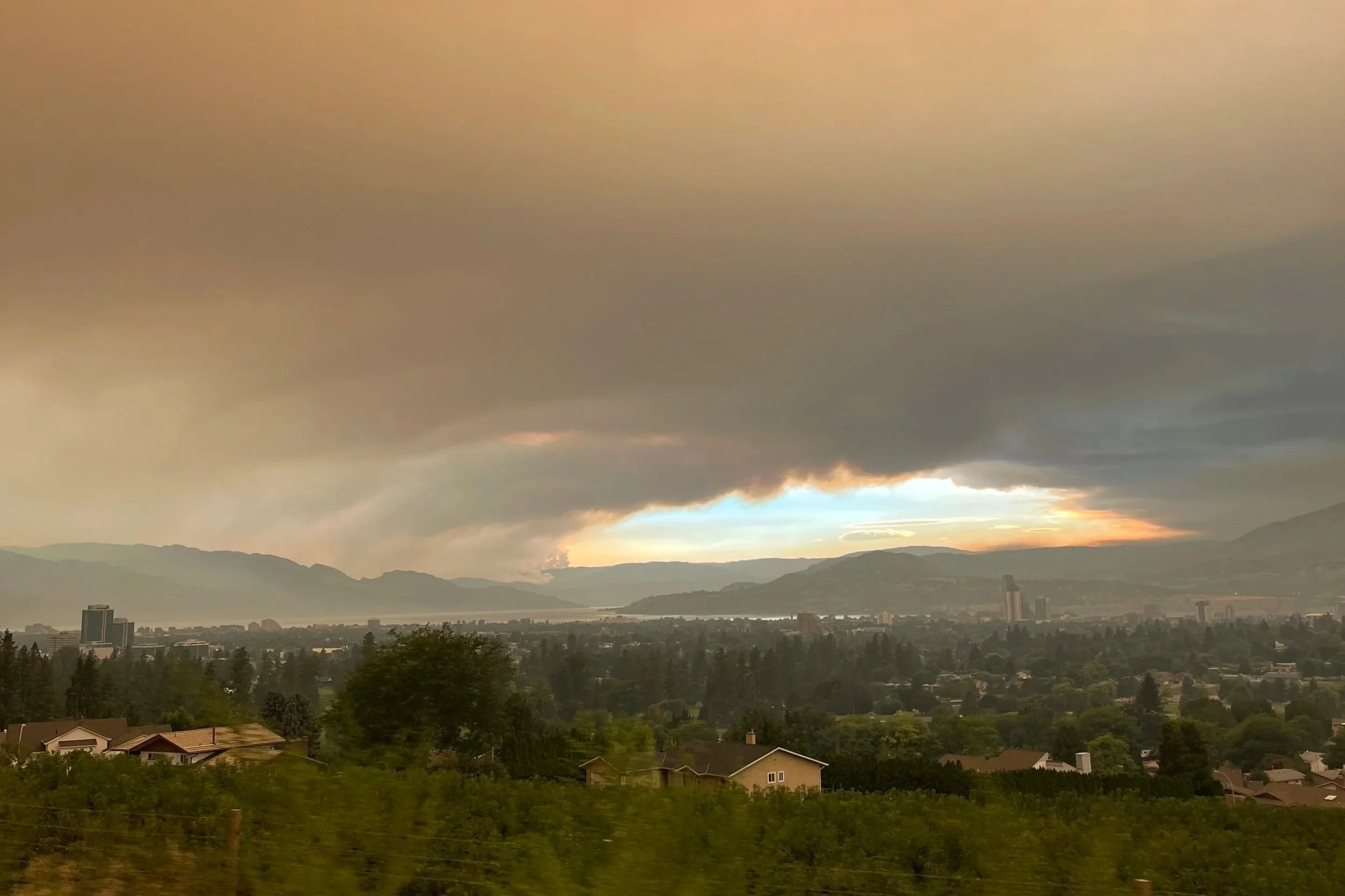
Running in the Smoke? Tips from your local physiotherapy team
Written by Meghan Perri, BHES
Every runner knows that consistency is key to reaching long-term goals. Whether you're training for your first 5K, building endurance, or preparing for a marathon, we know that Movement is Medicine. However, when wildfire smoke blankets our communities, it may be time to rethink your training plan.
Poor air quality doesn't just make your run feel harder. It can place additional stress on your lungs, heart, and overall recovery. While adjusting a workout can feel frustrating, protecting your health should always come first.
Here's what every runner should know when smoke is in the air.
Check the Air Quality Health Index (AQHI)
Before lacing up your shoes, take a moment to check your local Air Quality Health Index (AQHI).
The AQHI provides a simple way to understand how air quality may affect your health during outdoor activities.
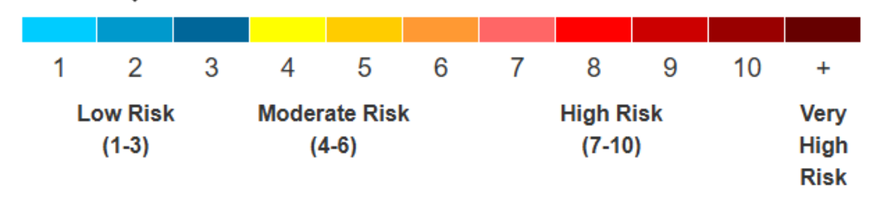
AQHI 1 to 3: Low Risk
Generally, most people can continue their regular training and outdoor activities as planned.
AQHI 4 to 6: Moderate Risk
Consider reducing the duration and/or intensity of your run. This may be a good day for an easy jog, recovery run, or shorter workout.
AQHI 7 and Above: High Risk
It is often best to move your training indoors or reschedule your workout entirely. Heavy breathing during exercise causes you to inhale more pollutants, increasing the potential impact on your respiratory and cardiovascular systems.
Adjust Your Training, Not Your Goals
One of the biggest mistakes athletes make is trying to push through conditions that are working against them.
When air quality deteriorates:
Skip hard intervals
Hard intervals, tempo runs, and hill repeats place significant demands on both your cardiovascular and respiratory systems. These workouts become more difficult and potentially less beneficial when performed in smoky conditions.
Avoid long runs
The longer you spend breathing poor-quality air, the greater your overall exposure. Consider shortening your planned run or moving it indoors.
Choose easy effort runs
If conditions are only moderately poor, an easy conversational pace may be a safer alternative to a hard training session.
Reduce duration
A shorter workout can help maintain fitness while limiting smoke exposure.
Train indoors when possible
Treadmills, indoor tracks, gyms, and fitness facilities can provide a safer training environment when outdoor air quality is compromised
Remember:
Many runners worry that missing a workout will derail their progress. The reality is quite the opposite.
Fitness is built over weeks, months, and years of consistent training. One missed interval session or shortened long run is unlikely to impact your overall performance. Pushing through unhealthy conditions, however, may increase your risk of illness, injury, or prolonged recovery.
Think long-term. Smart decisions today help keep you healthy and training tomorrow.

Know When to Stop Running
Even if you begin a run feeling fine, smoke conditions can affect individuals differently.
Stop your run if you experience:
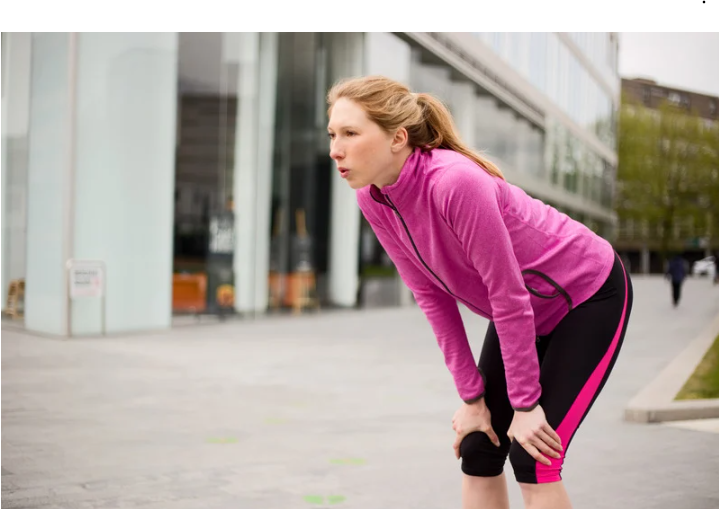
Unusual shortness of breath
Chest tightness
Persistent coughing
Dizziness
Headache
Excessive fatigue
These symptoms are your body's way of signaling that something isn't right. Ignoring them can increase stress on your system and make recovery more challenging.
Listening to your body is not a sign of weakness. It's part of effective training.
Consider Indoor Cross-Training
If outdoor running isn't a good option, you can still maintain your fitness through alternative activities.Some excellent indoor options include:
Swimming
Provides a cardiovascular workout with minimal impact on the joints.
Cycling
An effective way to maintain aerobic fitness while controlling your training environment.
Strength Training
Building strength can improve running performance, reduce injury risk, and help address weaknesses that may be limiting your progress.
Smoke days can also create an opportunity to focus on mobility, recovery, or rehabilitation exercises that often get overlooked during busy training cycles. Smoke exposure can increase stress on your system.
How can we help?
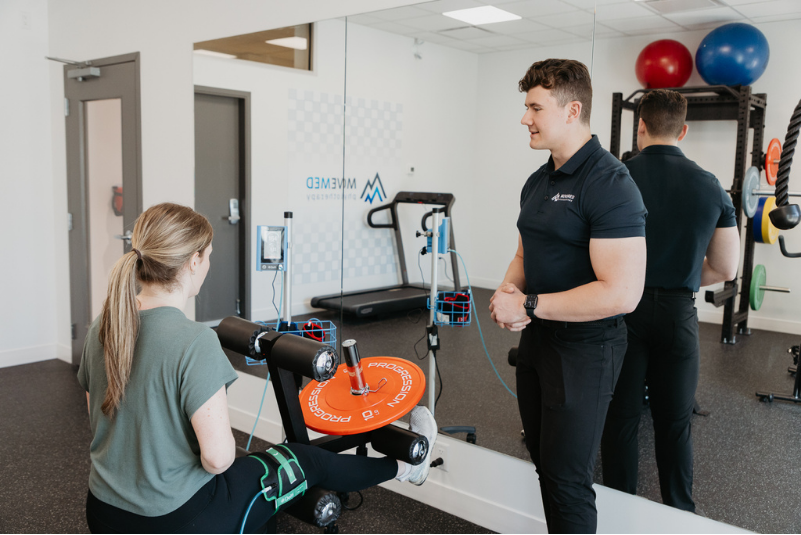
If you're unsure how to adjust your training safely, working with a physiotherapist can provide valuable guidance.
Our team can help you:
Adjust your training load appropriately
Manage respiratory and exercise-related symptoms
Address injuries before they become larger problems
Build a safe return-to-running plan
Maintain fitness while reducing health risks
The goal isn't simply to keep you running. It's to help you continue moving safely and effectively while protecting your long-term health.
Final thoughts:
In Kelowna, wildfire smoke has become an increasingly common reality for many runners. While it can be disappointing to modify workouts or spend time indoors, protecting your health should always take priority.
Listen to both your body and the air quality report. A flexible training plan is a sign of a smart athlete, not a less committed one.
Remember: your fitness is built over time. One workout never makes or breaks your goals, but making safe choices during smoke season can help ensure you stay healthy enough to keep pursuing them.
If smoke is affecting your running, breathing, or recovery, the MoveMed Physiotherapy team can help you safely adjust your training and stay on track toward your goals.