

Movement & Mental Health
Written by Meg Ackerman, BHES
Why Move?
Every year on October 10th, World Mental Health Day reminds us of the importance of looking after our mental wellbeing. One of the most accessible tools for supporting mental health is something many of us can participate in every day - movement.
For those of us here in the Okanagan, we are incredibly fortunate to live in an environment that provides endless opportunities for an active lifestyle. Whether it's hiking Knox Mountain, running through the scenic Myra Canyon, cycling along the Okanagan Rail Trail, paddling on the lake, or simply enjoying a walk through one of our beautiful neighborhoods. The opportunities to move are all around us

The Science Behind Movement and Mood
The relationship between exercise and mental health goes far beyond simply "feeling better" after a workout.
During physical activity, the brain releases "feel good" chemicals such as endorphins, dopamine, and serotonin; which help regulate mood, motivation, and emotional wellbeing. Exercise also stimulates the production of a protein known as brain-derived neurotrophic factor, which supports the growth, repair, and health of brain cells. Research suggests that these neurobiological changes can improve resilience to stress and contribute to better mental health over time.
Movement is also one of the most effective regulators of the body's stress response system. During periods of chronic stress, the nervous system can become stuck in a heightened state of alertness. Regular physical activity helps calm this response, reduce stress hormones, improve sleep quality, and support overall nervous system regulation, all of which are closely linked to mental wellbeing.

What Type of Movement Works Best?
One key take away from the research is that mental health benefits were seen across a wide range of exercise types, intensities, and durations - there is no one form of physical activity that is found to be better than another.
Here are just a few examples of how you can participate in more daily movement -
Aerobic activities such as walking, jogging, cycling, and swimming showed the strongest overall benefits for both depression and anxiety.
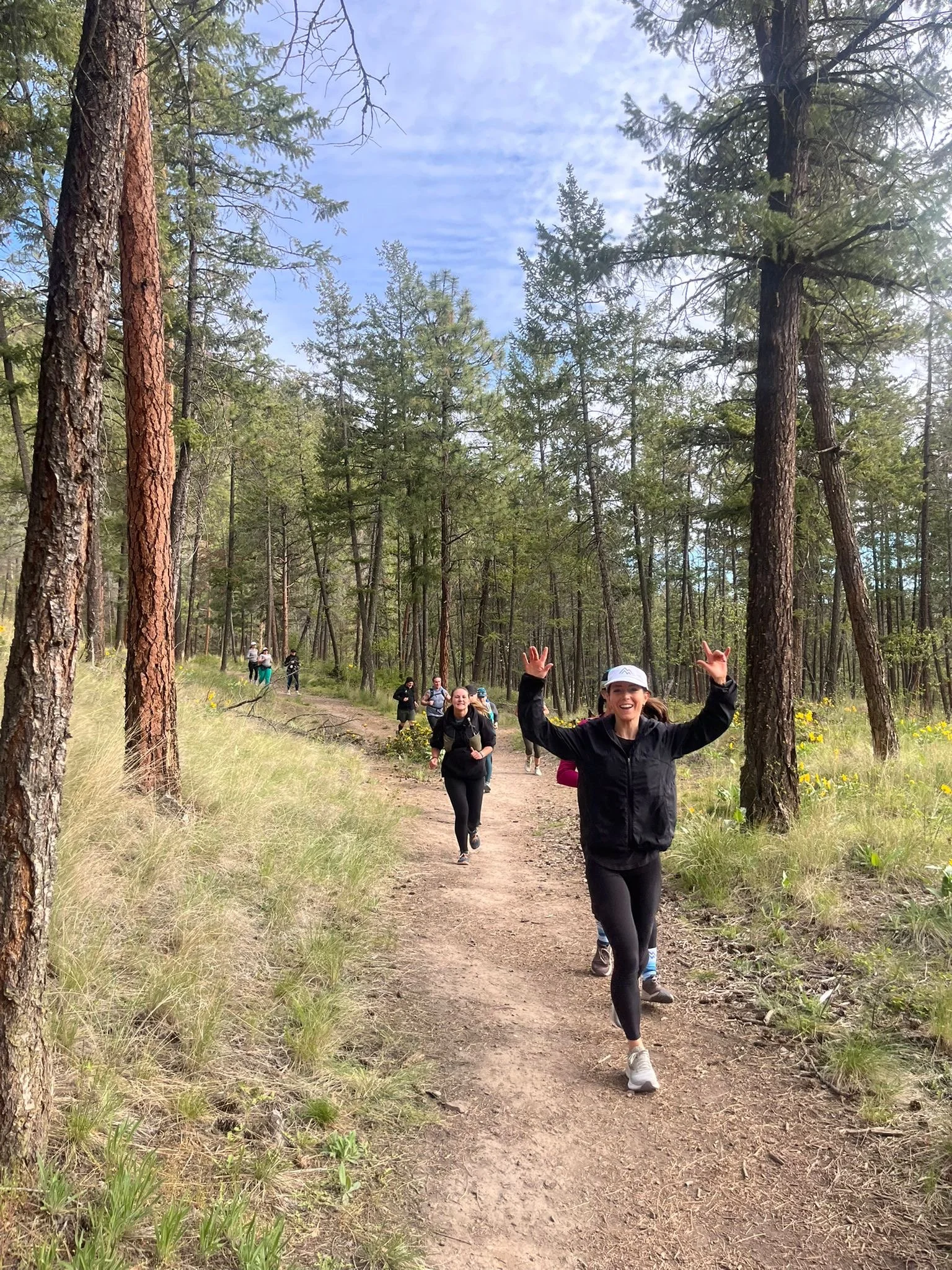
Group-based exercise was associated with greater improvements in depression symptoms compared with exercising alone.
Community-oriented activities, such as fitness classes or organized exercise programs, demonstrate stronger effects than unsupervised exercise.
Mind-body activities such as yoga and tai chi were also shown to improve mental wellbeing.
The goal isn't perfection, high performance, or spending hours at the gym. It's simply finding ways to move your body that are enjoyable and sustainable.
Small Steps Can Make a Big Difference
This World Mental Health Day, challenge yourself to make space for movement that supports your body and mind.
Whether it's a 10-minute walk during your lunch break, trying a local exercise class, hiking one of our beautiful Okanagan trails, or taking the stairs instead of the elevator, every movement counts.
The evidence is clear, moving your body is good for your mind. By making regular physical activity part of your routine, you can support not only your physical health but also your emotional well-being. Here at MoveMed Physiotherapy, we can help our clients view movement as one of the simplest and most effective ways to invest in their mental and physical health! If an injury or pain is holding you back from moving more, or if you need support reaching a physical activity goal, our team of Registered Physiotherapists is here to help.
Blog Post Written by, Meg Ackerman, BHES
Munro, N. R., Teague, S., Somoray, K., Simpson, A., Budden, T., Jackson, B., Rebar, A., & Dimmock, J. (2026). Effect of exercise on depression and anxiety symptoms: Systematic umbrella review with Meta-meta-analysis. British Journal of Sports Medicine, 60(8), 590–599. https://doi.org/10.1136/bjsports-2025-110301